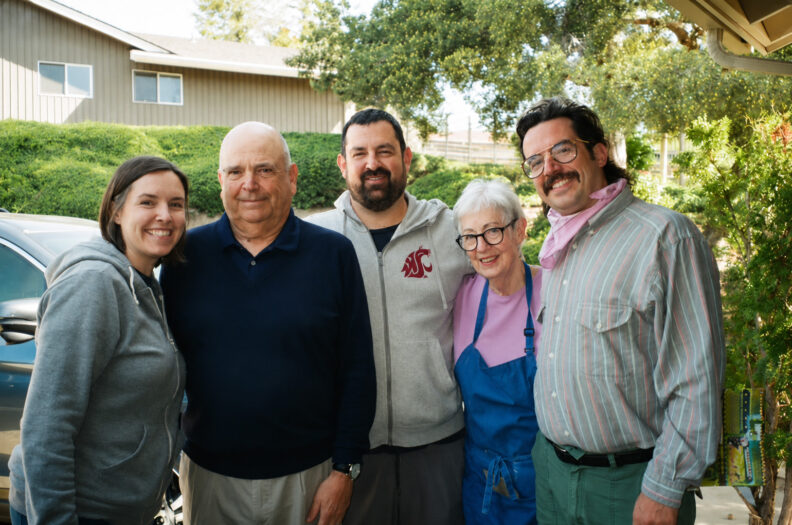
Christian “Chris” Schlect ’73 has always loved his alma mater, but he did not fully develop a love for art until after he received his bachelor’s degree in political science. He left Washington State University for Gonzaga University to earn his law degree, and now, as a retired lawyer who believes the Jordan Schnitzer Museum of Art (JSMA) is “one of the most remarkable university museums in the country,” he has volunteered to chair its campaign committee.
“I want WSU students and the people of the Palouse to truly appreciate the Schnitzer Museum, and I hope to do that by raising the funding that will continue to bring great artworks to WSU,” said Schlect.
A life-changing encounter with art
Growing up on a fruit orchard in Yakima County, Schlect was not exposed to great works of art. Fortunately, when Schlect was 12, his mother, a travel agent at the time, arranged a family trip to Amsterdam. There he visited the Rijksmuseum and stood before Rembrandt’s The Night Watch, a painting on the heroic scale, approximately 12 feet (high) by 14.5 feet (wide). His senses were overwhelmed. “It all felt alive,” he said, describing how the figures seemed to move toward him out of mysterious shadows—a crowd of “musketeers,” men arming themselves with long spears and rifles, a drummer drumming, a dog barking, an enigmatic blond girl in a glowing dress standing among them.
“For me as a boy, it was unforgettable,” said Schlect. “Something inside me became alive—that’s the power of art.”
That visit to the Rijksmuseum fueled his desire to visit other museums. Meanwhile, back at Yakima, of the four boys in his family, three of them attended WSU, including his older brother Neal, from whom Schlect learned about the school and its traditions and could see himself there—“but not majoring in agricultural economics as Neal did.”
Attending WSU during a time of unrest
“It was a time of turmoil in our country,” said Schlect, as if he knew he was stating the obvious. Martin Luther King Jr and Bobby Kennedy were assassinated the year before he came to WSU. Woodstock was happening when he arrived in August 1969, and at the end of his first year, the Kent State shootings shocked the nation. Drugs had infiltrated the culture (rock legends Jimi Hendrix, Janis Joplin, and Jim Morrison all died of overdoses between 1970 and 1971), and as Schlect prepared for graduation, Nixon’s Watergate scandal was unraveling.
But great things happened as well: the US had put two men on the moon a month before Schlect arrived at WSU, and in 1971, the Twenty-Sixth Amendment to the U.S. Constitution was ratified, lowering the voting age for all Americans from 21 to 18 years.
“The campus was not immune from all the turmoil—we had our share of war protests, student strikes, and civil rights marches—but there was still a sense of normalcy at WSU that anchored our lives,” Schlect said. “We had our courses, occasional long nights at the library, Cougar football games, the Apple Cup, dances, movies, basketball games, and other things that brought us all together.”
The much-admired WSU President Glenn Terrell, known for his compassion, for embracing WSU’s values and for putting students’ needs first, also provided stability for WSU students.
In 1972-73, Schlect became the ASWSU President, and like Terrell, he kept his finger on the pulse of the campus, spending much of his time discussing, understanding, and addressing student concerns and needs. Schlect then took his leadership skills to law school at Gonzaga and later to the Civil Division of the Yakima County Prosecutor’s Office as a deputy prosecuting attorney. During this time, a friend and colleague set up a blind date with a young woman named Janet Fetsch—that is how he met and later married his wife.
In 1980, he joined the Northwest Horticultural Council (NHC) and soon became its president. Located in Yakima, the NHC represents the tree fruit industry of the Pacific Northwest on national policy matters and international trade access issues.
Raising the Bar for Art at WSU
WSU didn’t have an art museum until after Schlect graduated. In the early 1970s, the WSU Fine Arts Center was completed, and the Museum of Art was established and opened in 1974 under the direction of Harvey West. “We all would have benefited from such a museum,” said Schlect.
During his adult years, Schlect’s interest in art grew, and he discovered a passion for “color field” painters from the American abstract expressionist period, particularly the works of Clyfford Still. In visiting art museums across the U.S. and Europe, Schlect also gained a deep interest in the museums themselves, their architecture, and their success in exhibiting their collections and serving the public. And after visiting several prominent university museums, he realized the JSMA stands with the best of them.

As an adult, Schlect also maintained close relationships with WSU. His three children graduated from WSU’s Honors College, and he has kept in touch with friends and others from his WSU days, because, as Schlect said, “WSU and its people played a major role in my growth as a human being.” During his time at WSU, he found not only academic opportunity but also formative experiences that shaped his values and sense of purpose. Those close connections and opportunities for personal growth have been a guiding force behind his and Janet’s establishment and support of numerous endowed scholarships and programs in the College of Arts and Sciences and the JSMA.
Ryan Hardesty, executive director of the JSMA, had witnessed Schlect’s generosity and his love of art in action, so Hardesty asked him to take on the chairmanship of the museum’s fundraising campaign. Schlect accepted.
“This fundraising campaign is not only an effort to make more personal growth opportunities available to students through art,” said Schlect, “but to also raise the bar in bringing future exhibitions to the museum that will be of interest to the Inland Pacific Northwest.”
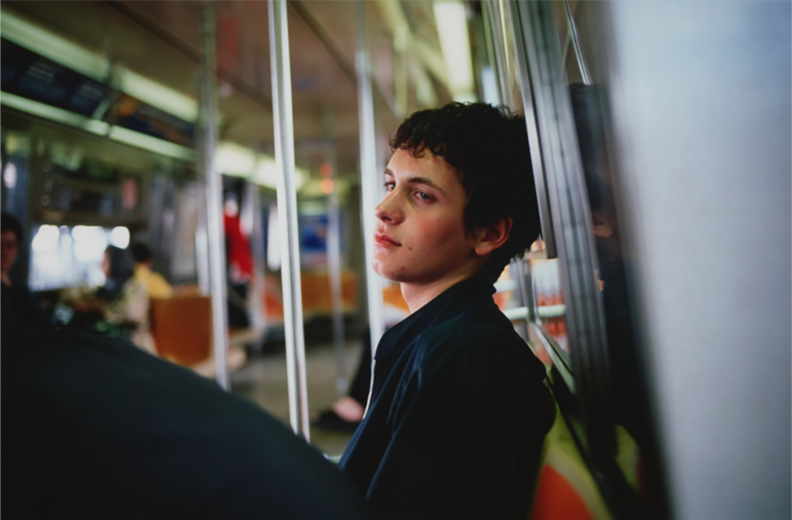
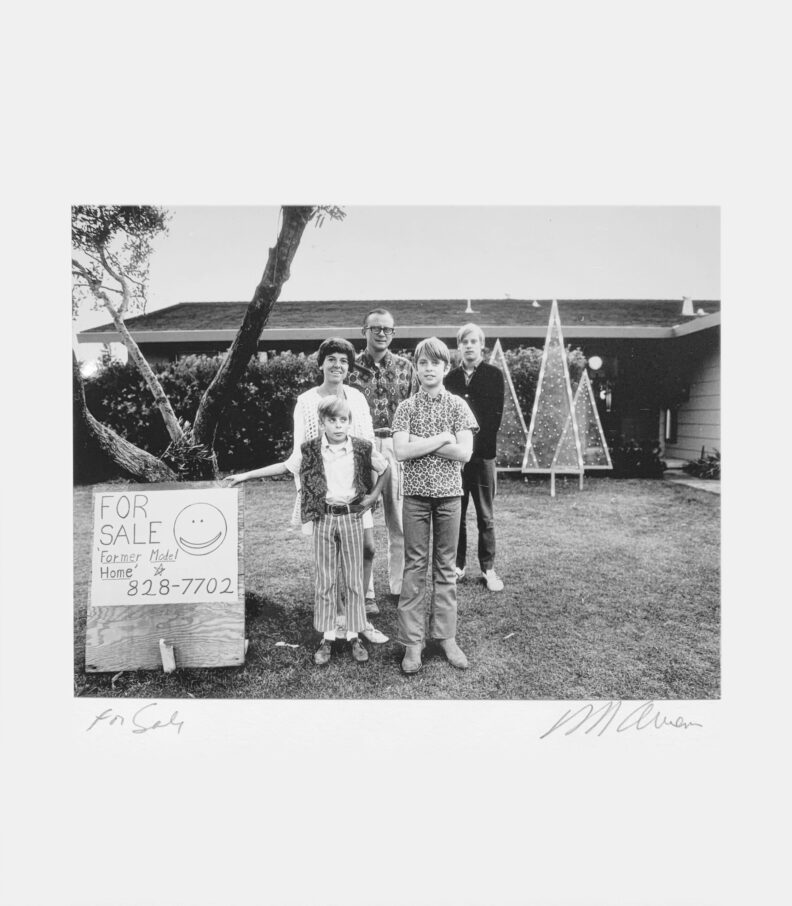
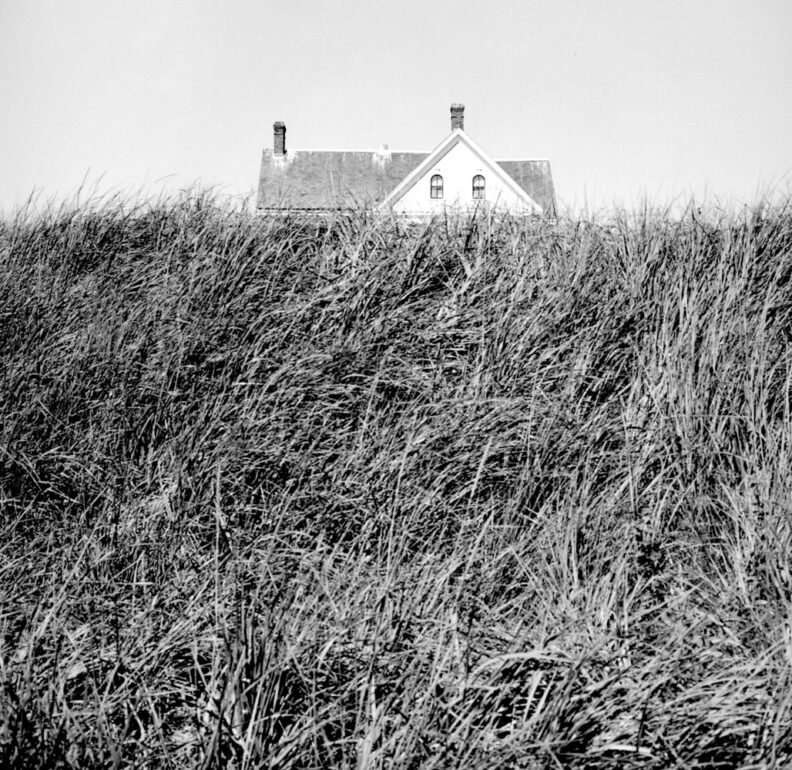
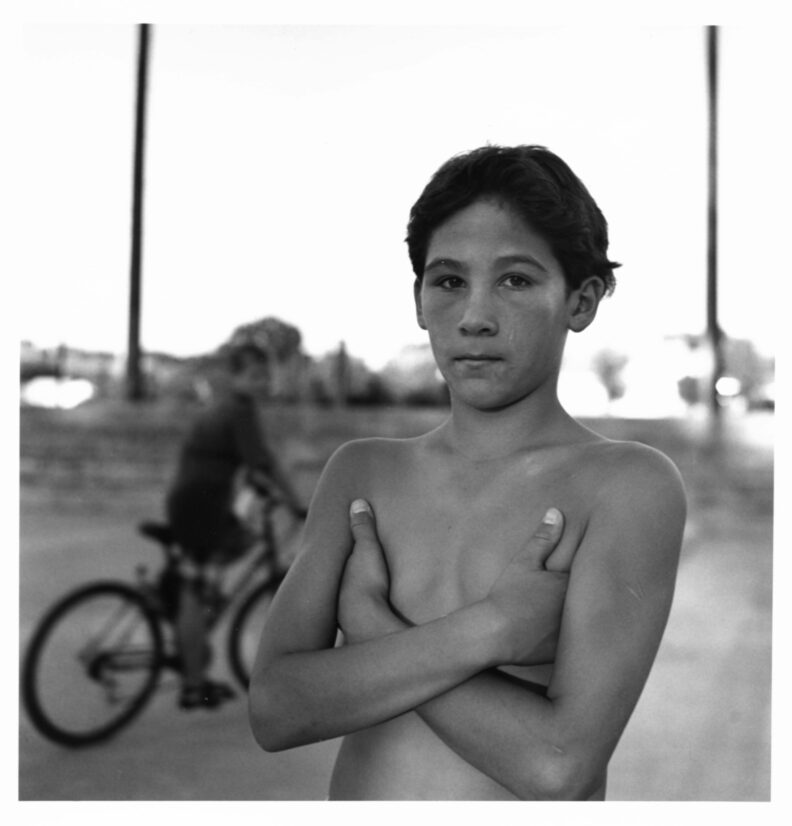
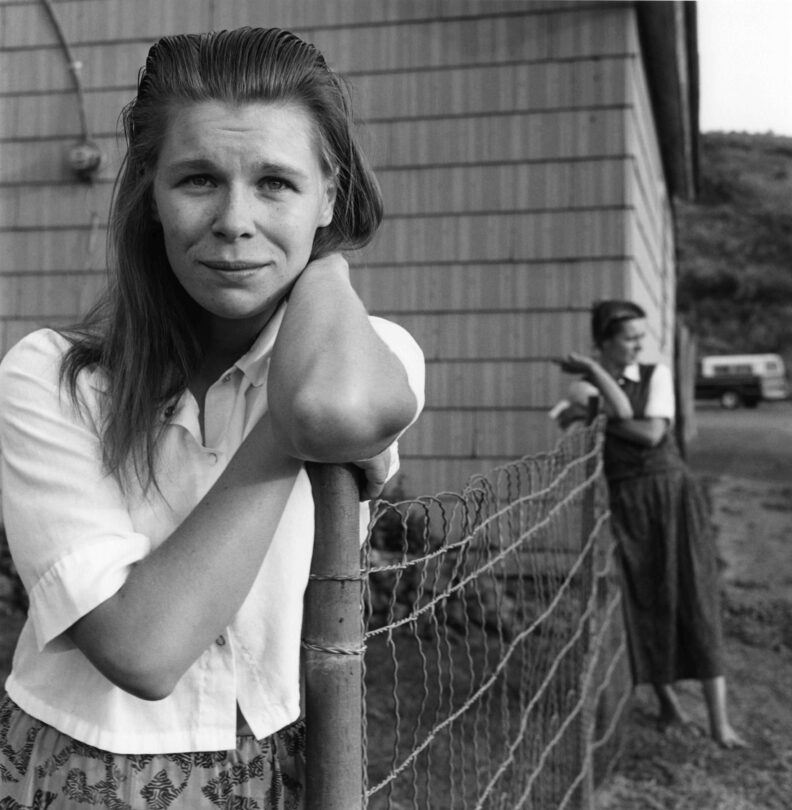
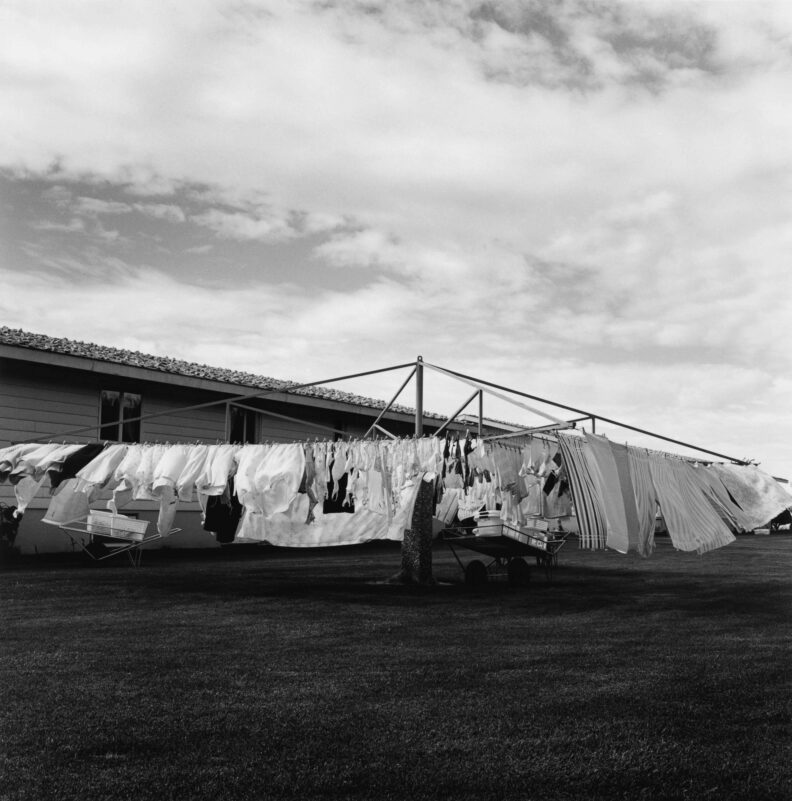
As Schlect pointed out, the museum already brings important shows to the Pullman campus, many of which have come from the extensive collection of the Jordan Schnitzer Family Foundation (JSFF). For instance, JSMA recently held an exhibition focused on four decades of printmaking and graphic works of the internationally celebrated artist Anish Kapoor, drawn entirely from the JSFF collection. In addition to providing exhibitions of regional artists and contemporary works, the museum also exhibits work from WSU’s own permanent collection, as is the case in an exhibition of American photography, called Longer Light, now running through June 27.

Clyfford Still: a great American painter and one of WSU’s most renowned alumni
While the JSMA will continue to focus on contemporary art, regional artists, and works from the JSFF collection, Schlect wants to grow the Friends of the Museum Fund to make these exhibitions possible and to bring world-class art to Pullman that will open doors to new experiences, new ideas, and personal growth. The next of these planned exhibitions is a collection of paintings by Clyfford Still, the world-famous abstract expressionist painter whom Schlect considers to be WSU’s most renowned artist alum and former art faculty member. These paintings have not been seen outside the Clyfford Still Museum in Denver, CO, which opened in 2011. Before then, nearly 94 percent of Still’s lifetime work, including 830 paintings, was owned by the Still family estate and were rarely seen by the public
This exhibition will open at the JSMA in January of 2027, and this fall, a follow-up article will feature how the show came about and everything involved in making the Still exhibition possible—from the agreement made with the Clyfford Still Museum in Denver to the shipping of the art to the insurance, installation, and programming costs.
As Schlect said, “The gifts of donors make such an exhibition possible, which brings so much to the intellectual and cultural life of WSU. And I promise you will experience the power of art when you see Still’s work on display at the Schnitzer.”
To give to the Friends of the Museum Fund, contact Kira MacPherson at kira.walters@wsu.edu or at 509-335-4748.