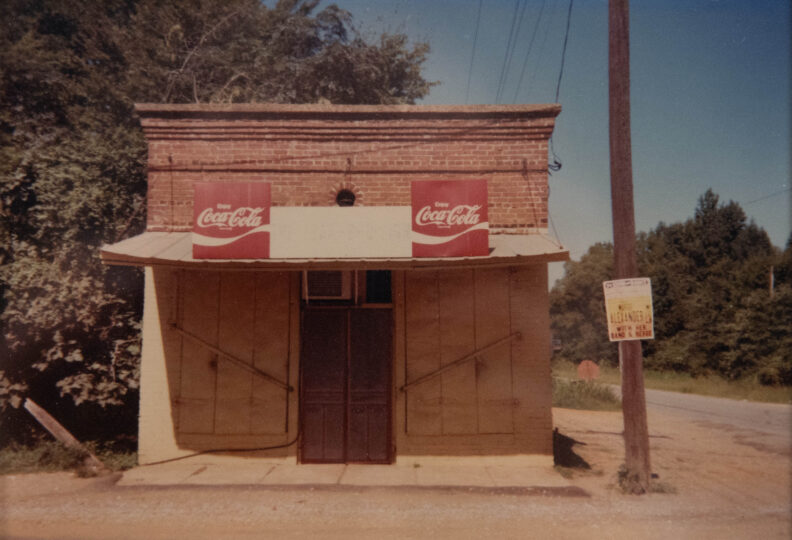
Not long after Tim Bradbury ’66 moved into his retirement home following a distinguished fifty-year career as an attorney and Washington State judge, he realized he didn’t have enough wall space to display his extensive collection of photographs. A proud alumnus, he decided it was time to start gifting many of these works to the Jordan Schnitzer Museum of Art WSU. Presently, Bradbury has given nearly 70 works by important photographers, with more to come.
According to the late Sean Elwood ’73, the former curator and art collection manager for the City of Seattle and the former director of art programs and initiatives at the Creative Capital Foundation in New York City, as well as an advisor to the WSU Schnitzer Museum, “Bradbury’s gift is a remarkable collection and addition to the museum, providing a solid historical review of photography from the late 19th century to the near present, and along with other photographic holdings of the museum, Bradbury’s gift makes the full WSU photography collection the best in the Inland Northwest.”
Bradbury’s photographs join a collection of photography gifted by Elwood himself, as well as a series of Andy Warhol Polaroids and silver gelatin prints, and portfolios by William Eggleston, Bill Owens, and Marsha Burns, among other notable photography works held by the museum.
“Collecting photographs is something probably not in my best interest, since collecting art can be addictive and expensive,” said Bradbury, “but the photography I have purchased are works that I truly like—works that have in some way moved me or brought me pleasure simply by looking at them.”
Bradbury has a special fondness for the works of photographers who have recorded the social, economic, political, and environmental realities of their times. This style of photography, known as documentary photography, chronicles everyday life as well as the historical significance and social milieu of the day, capturing people, places, and events, and providing a truthful depiction of reality in which the photographer is more of an observer than a director composing shots. Important documentary-style photographers in the Bradbury collection include giants such as Alfred Stieglitz, Lewis Hine, Paul Strand, Walker Evans, Helen Levitt, Robert Frank, and William Christenberry, to name a few.
While there are many subgenres of documentary photography—ranging from social, war, and environmental documentary photography to street and ethnographic photography—these photographers have consistently aimed to raise awareness and spark change, capturing everything from real-life moments and events to the human cost of war and environmental disasters.
A collection born out of a passion for truth and justice
In addition to his deep interest in art and photography, Bradbury has been passionate about politics and social justice since his time as a student at WSU. During his junior year, Bradbury became involved with the WSU National Student Association and the Civil Rights movement. That led to his running for and becoming the WSU Associated Student Body President in 1966, his senior year, during which he was instrumental in bringing Civil Rights figures and speakers to campus.
“Like my predecessor, Dave Warren [WSU student body president in 1965], who had gone to Alabama to participate in the Selma to Montgomery Marches, I wanted to not only bring attention to the racial injustices in this country and to the hypocrisy of double standards between blacks and whites, I wanted to also involve my fellow Cougars in these issues—I wanted all of us to recognize our responsibilities to society.”
It was his involvement in these issues that also led Bradbury to pursue a career in law. After graduating from WSU with honors, he earned his law degree at the University of Chicago. Throughout most of his career, he worked as an attorney in Seattle, culminating in his appointment as the first openly gay judge in the state of Washington by Governor Mike Lowry in 1995. “As one who practiced the law,” Bradbury said, “I have always been concerned about the truth, the law, and the reality of the world we live in.”
Bradbury’s passion for art predates his love of politics and the law. While growing up in the Seattle area, his mom often took him to the city’s museums, but it was a visit to the Seattle Art Museum as a student in Catholic school that changed how he viewed art. One of the school priests took a group of students to see the 1959 van Gogh exhibit, which included 84 paintings and 71 drawings encompassing van Gogh’s entire life as an artist, from his early painting The Potato Eaters to those painted near the end of his life, such as Blossoming Almond Tree while he was at the asylum in Saint Rémy-de-Provence.
“The images of those paintings stayed with me, especially the one of his bedroom he painted in Arles—the simplicity and smallness of the room, the vivid colors, the surreal bending of lines. His works really lit a fuse for me,” said Bradbury.
At WSU, Bradbury took an Honors course, “Western Art and Culture,” the summer before his senior year. The course sharpened his interest in art. Taught by the well-known Pacific Northwest artist Gaylen Hansen (whose work is well represented in the Schnitzer Museum), the course, Bradbury said, “really opened my eyes to how art shapes the way people think about the world.”
Seizing an opportunity: How the collection began
In the 1980s, the cost of works by significant American and European painters began to soar at auction houses and art galleries. In contrast, the cost of important works of photography remained affordable. Late 19th-century and 20th-century documentary photography had long played a role in preserving the historical record of America, but it wasn’t until the late 1960s and early 70s that art critics began to increasingly recognize many of these iconic photographs as significant works of art. Bradbury seized the opportunity and shifted his attention to photography.
Today, Bradbury’s collection features many of the 20th century’s most foundational American artists. It also includes several important international artists, such as Karl Blossfeldt, as well as several Pacific Northwest photographers, including Marsha and Michael Burns, and Robert Lyons.
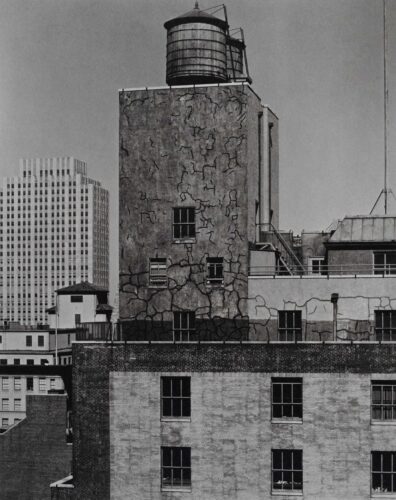
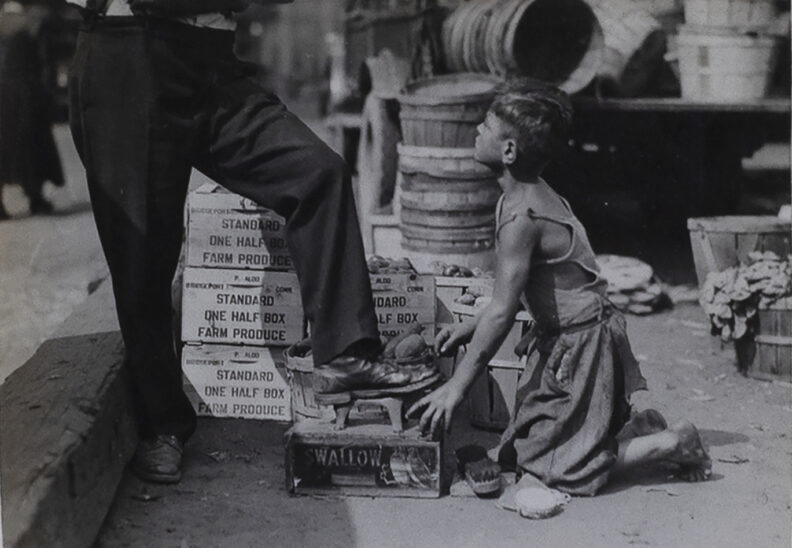
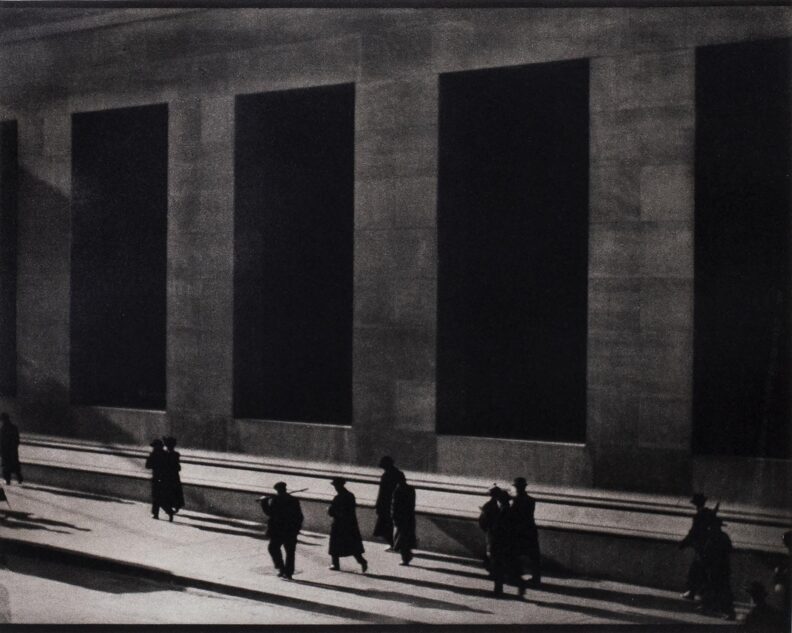
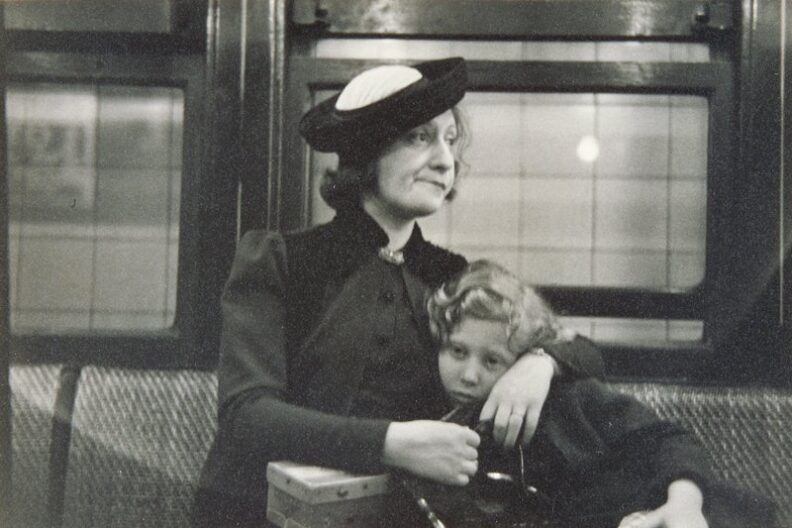
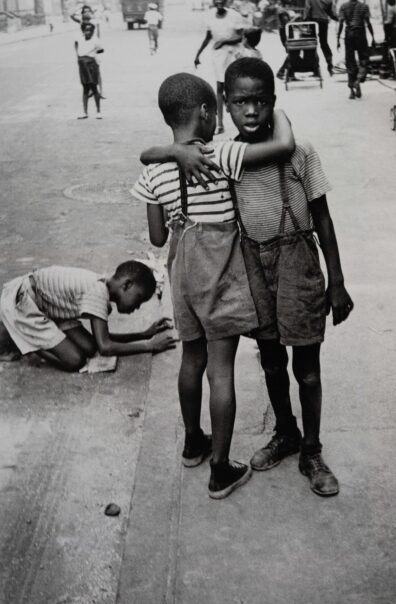

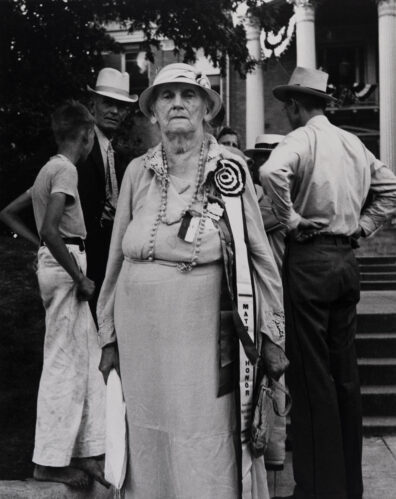
The collection also has some intriguing surprises, including works by two important American literary figures—Eudora Welty and Wright Morris. The great Pulitzer Prize-winning Southern author, Welty, was a photographer before she began writing. Another surprise includes early albumen photographic prints from the mid-19th century. These photographs, which employed the technique of coating paper with an albumen (egg whites) mixture and silver nitrate, revolutionized photography, enabling the creation of highly detailed images with mass-production capabilities.
While a student at WSU, Bradbury often joked that the lack of arts and culture in Pullman at times made the college town seem as isolated as the surrounding wheatfields. He likes to think of his gift as “a contribution to expanding the cultural offerings available to WSU Pullman students.” It certainly does. And in years to come, it will no doubt attract people not only from the Palouse and Eastern Washington, but from across the country.
To learn more about how you can support the Jordan Schnitzer Museum of Art WSU, contact Kira MacPherson at kira.walters@wsu.edu or 509-335-4748.